

Elon Musk is no stranger to bold predictions. From electric cars to rockets landing themselves, he has repeatedly shifted what people thought was possible. His latest statement, however, has surprised even his biggest followers.
In a recent social media post, Musk suggested that artificial intelligence could directly influence human biology, even to the point of increasing birth rates. According to him, advanced AI systems may one day interact with the limbic system—the part of the brain that controls emotions, motivation, and desire.
The claim is unusual because discussions around AI usually focus on jobs, automation, and creativity. But Musk has now pointed attention to biology, psychology, and human reproduction. This raises one huge question:
Can AI change our biology, or is this just another far-off vision?
Understanding Musk’s Vision
When Musk talks about AI influencing the limbic system, he is referring to how technology could tap into the core drivers of human behavior. The limbic system regulates emotions like love, fear, pleasure, and desire.
If AI systems could interact with these brain circuits, Musk argues, they might be able to encourage behaviors such as forming relationships, bonding, and even having children.
This fits into Musk’s long-standing concern with global fertility decline. Many countries today face shrinking birth rates, raising fears of aging populations and shrinking workforces. Musk has repeatedly said that “population collapse” is a greater risk than climate change.
With AI, he now imagines a possible intervention—not just in the economy, but in the biology of human motivation itself.
Why Birth Rates Matter to Musk
Let’s break down why Musk is making this argument now.
-
Global Fertility Decline
-
Fertility rates in countries like Japan, South Korea, and many parts of Europe have dropped below replacement levels.
-
Even the U.S. is seeing historically low numbers.
-
-
Impact on Economy & Innovation
-
Fewer young people means fewer workers.
-
Innovation slows if societies age faster than they renew.
-
Economic growth depends on balance, and Musk believes a “demographic crash” could destabilize entire nations.
-
-
Musk’s Personal Stakes
-
As CEO of Tesla, SpaceX, and xAI, he is deeply tied to future innovation.
-
For him, more humans mean more talent, ideas, and progress toward multi-planetary civilization.
-
By suggesting that AI could directly boost human desire and connection, Musk is essentially saying: AI may help humanity save itself from demographic decline.
The Science Behind AI and Biology
Now, let’s ask: Is there any scientific basis for this?
1. Brain-Computer Interfaces (BCIs)
Musk already runs Neuralink, a company developing brain implants. These devices aim to let humans interact directly with computers using thought.
-
If AI can read signals from the brain, it may also influence responses.
-
A future BCI could theoretically stimulate brain regions linked to emotion, attraction, or bonding.
2. AI in Medicine
AI is already transforming healthcare:
-
Predicting disease risks from DNA.
-
Designing personalized treatments.
-
Simulating drug effects on the human body.
This shows AI can already “touch” biology indirectly, though through data rather than emotions.
3. AI and Psychology
AI chatbots like ChatGPT and Replika are being used as emotional companions. Many users report real feelings of attachment.
-
Some psychologists warn that emotional AI can change how people form relationships.
-
If companionship can be influenced, could family planning and intimacy be influenced too?
4. Neurostimulation Research
Scientists already use techniques like deep brain stimulation (DBS) to treat depression, anxiety, or compulsive behavior.
-
If AI guided such stimulation, it might “tune” emotions toward connection, attraction, or bonding.
In short: There is science suggesting AI could interact with biology, though Musk’s prediction remains speculative.
Supporters and Critics
Like most of Musk’s statements, this one has split experts.
Supporters Say:
-
Musk may not be far off. AI combined with neuroscience could unlock new frontiers.
-
Technology already influences behavior—think of social media algorithms.
-
Direct brain influence may be the next logical step.
Critics Warn:
-
This is risky science. Manipulating biology raises huge ethical questions.
-
Desire, intimacy, and reproduction are deeply personal. Should AI interfere?
-
History shows that when tech companies shape behavior (social media, ads), unintended consequences often follow.
Expert Voices
-
Dr. Susan Schneider, AI ethicist: “We need to ask whether we want machines to push us into choices as personal as having children.”
-
Dr. Anil Gupta, neuroscientist: “Technically, AI may one day influence emotional circuits. But biology is far more complex than Musk suggests.”
Ethical Dilemmas of AI in Biology
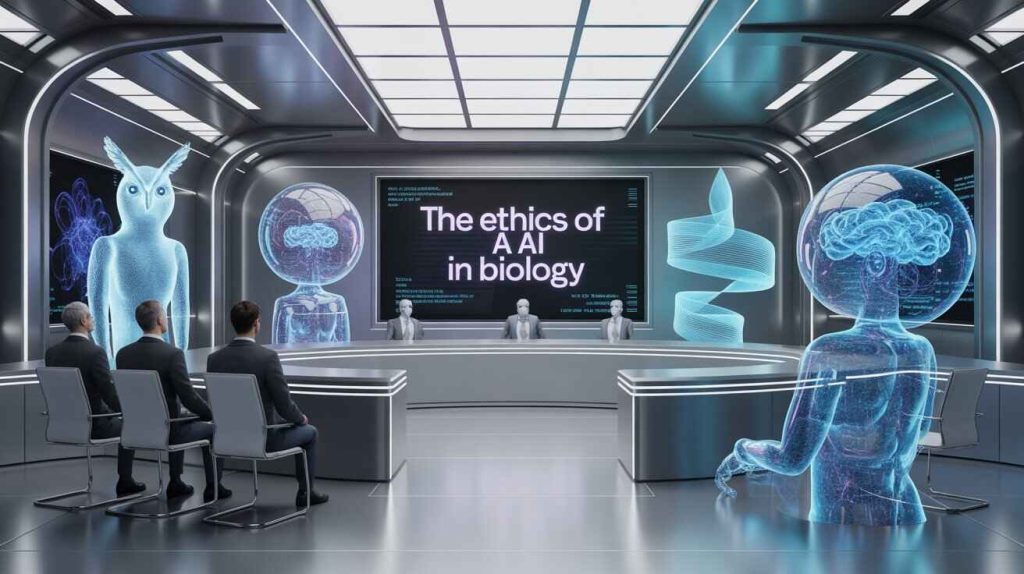
Musk’s vision forces us to confront ethics:
-
Consent & Autonomy
-
If AI nudges people toward intimacy or reproduction, is it truly a free choice?
-
-
Commercialization of Biology
-
Would companies profit from AI that encourages relationships or fertility?
-
-
Privacy Risks
-
Reading or stimulating brain activity could expose our deepest feelings.
-
-
Cultural & Religious Concerns
-
Different societies view reproduction and intimacy in very different ways.
-
AI interventions could clash with traditions or beliefs.
-
-
Who Controls the AI?
-
Governments? Corporations? Individuals?
-
The power to shape biology could become the ultimate form of influence.
-
A Look at Today’s AI Impact on Behavior
Even without brain implants, AI is already changing how humans connect.
-
Dating Apps: AI-driven matches influence relationships and marriages.
-
Virtual Companions: Millions now use AI chatbots for emotional support.
-
Social Media Algorithms: AI already nudges mood, desire, and social interaction daily.
In many ways, Musk’s vision may just be an extension of what’s already happening—moving from digital influence to biological influence.
Future Scenarios: What If Musk Is Right?
Let’s imagine three possible futures if AI truly can influence biology.
Scenario 1: The Fertility Boost
AI companions and BCIs encourage stronger bonds, relationships, and higher fertility.
-
Nations reverse demographic decline.
-
AI becomes part of family planning.
Scenario 2: The Dark Side
Corporations use AI influence to sell intimacy, products, or experiences.
-
Human emotions become manipulated for profit.
-
Fertility becomes a business, not a choice.
Scenario 3: The Balanced Path
Governments regulate AI-biology interaction with strict ethical guidelines.
-
AI is used for mental health and companionship but not reproduction control.
-
Humans remain in charge of their choices.
Also Read
NASA and Google Launch AI Medical Assistant for Space Missions
AI in Healthcare: A Practical Guide for Medical Professionals
Top 15 AI Tools for Healthcare Professionals
Conclusion: A Vision Worth Discussing
Musk’s prediction—that AI could change biology and increase birth rates—sounds wild at first. But when you consider the real progress in brain-computer interfaces, emotional AI, and neuroscience, it’s not pure science fiction.
Still, the ethical risks are massive. AI is already shaping our decisions. Extending that influence into the limbic system may be one of the most profound technological turning points in human history.
For now, it’s only a vision. But like so many of Musk’s visions, it sparks a critical debate:
Should AI be allowed to change not just how we think, but who we are?